
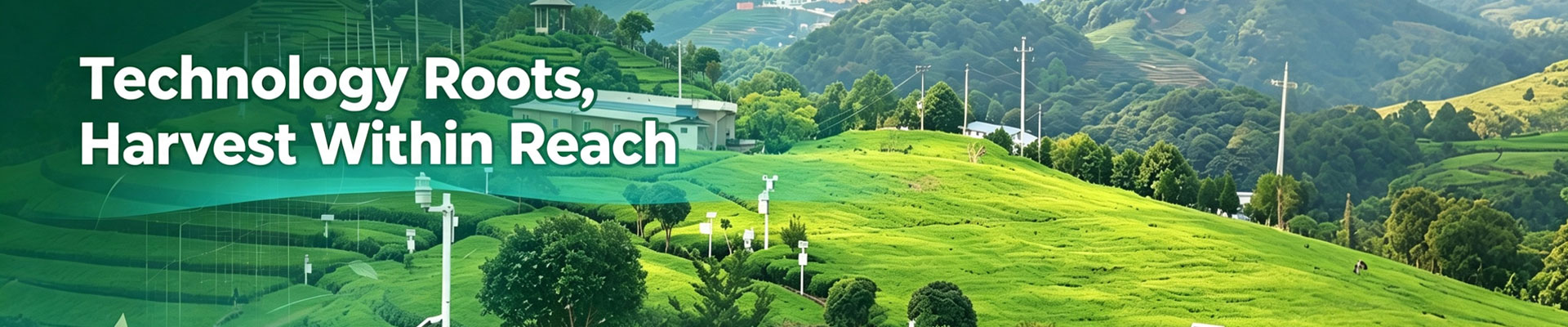
Global agriculture currently faces the dual challenges of tight labor supply and increasing demands for intensive production. Intelligent equipment integrating high-precision BeiDou/GPS navigation, LiDAR, and autonomous path planning is reshaping front-line operations.
1. Autonomous Machinery Achieves Centimeter-Level Precision
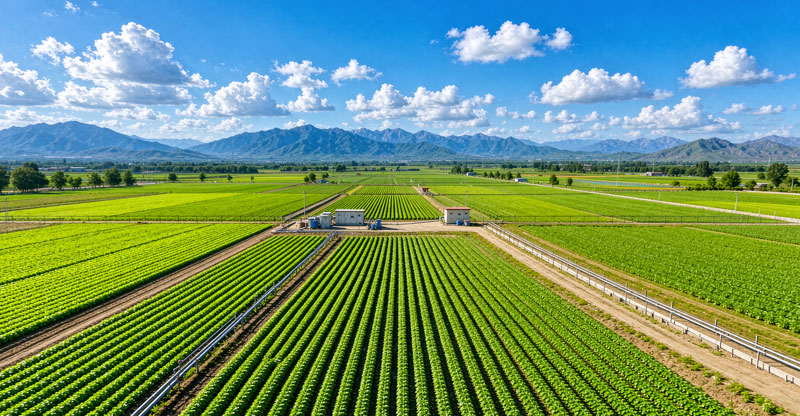
Tractors, transplanters, and seeders equipped with high-precision satellite positioning and drive-by-wire chassis can operate autonomously 24/7 along preset routes. Overlap and missed planting rates are minimized to industry-leading levels with centimeter-level precision, drastically reducing operator fatigue and improving land utilization and seeding uniformity.
2. Harvesting and Sorting Robots Solve Intricate Operation Challenges
For highly variable tasks like fruit and vegetable harvesting, the new generation of agricultural robots combines 3D vision recognition with flexible bionic grippers, resolving pain points in maturity judgment and non-destructive picking. Coupled with automated weighing and non-destructive brix-testing sorting systems, they ensure efficient, standardized flow from field to packaging.
3. Facility Agriculture Creates Closed-Loop Factory Farming
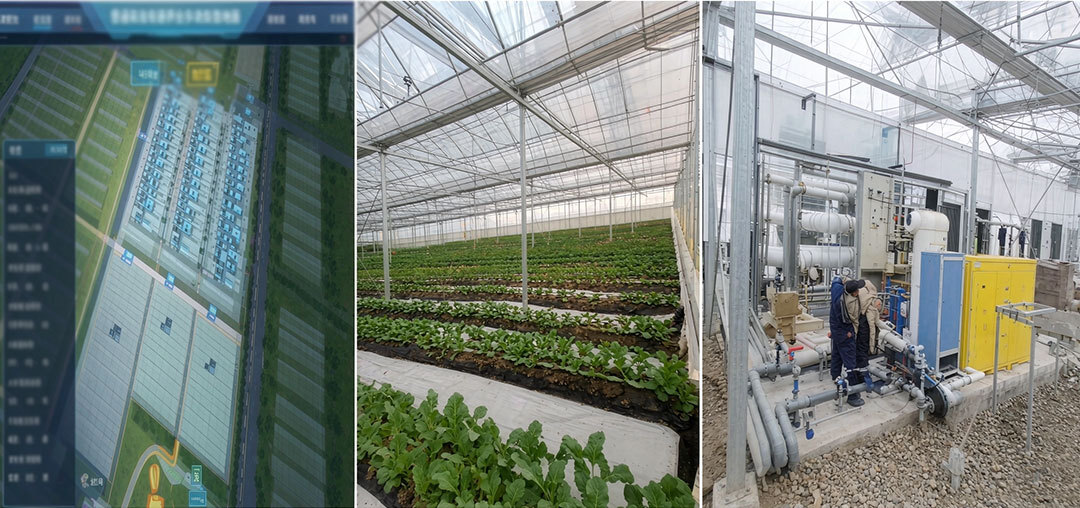
In modern smart greenhouses and plant factories, environmental control systems, rail-guided transfer vehicles, and automated sprinkler cranes form a collaborative network. Temperature, humidity, CO2 levels, and lighting cycles are autonomously regulated by a central system, freeing crops from seasonal and climatic constraints and multiplying yield per unit area compared to open-field farming.
Industry Outlook: The combination of smart agricultural equipment and digital management platforms signifies that smart agriculture is crossing from the "assisted monitoring phase" to the "autonomous decision and execution phase." Large-scale, standardized unmanned farms are becoming the critical pathway to ensuring food security and enhancing comprehensive agricultural efficiency.
Related Posts
- ▶ Industry Dynamics | Autonomous Machinery and Robotics Accelerate Adoption: Modern Farms Embrace the Era of "Unmanned" Operations
- ▶ Industry Insights | Deep Integration of AI and IoT: Smart Agriculture Leads the Precision "Digital Transformation" of Farmland
- ▶ Zhalantun, Inner Mongolia: 7,400-Mu High-Yield Corn Smart Fertigation & LoRa Wireless Field Control Project
Online Message